Local GuidesHome Safety
Preparing your home for hurricane season in New Bern
Learn how to prepare your home for hurricane season in New Bern to prevent water damage and ensure safety during storms.
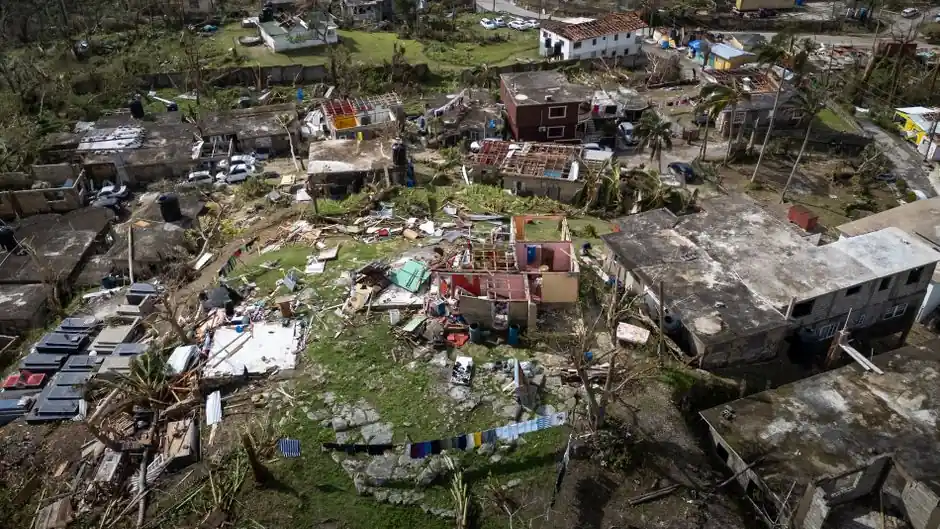
Preparing your home for hurricane season in New Bern is crucial to minimize damage and ensure safety. Effective preparation can protect your property and family from the severe impacts of hurricanes.
This guide covers essential steps for assessing your home, necessary preparations, and what to include in your emergency kit.
Why is hurricane preparation important?
Hurricane preparation is vital for homeowners in New Bern, as it significantly reduces the risk of water damage and personal injury. With the Atlantic hurricane season peaking from August to October, timely preparation can make a substantial difference.
What are the common risks during hurricanes?
Hurricanes pose various risks, including flooding, high winds, and debris. In New Bern, heavy rainfall can lead to flooding, especially in low-lying areas. Wind damage can compromise roofs and windows, leading to further water intrusion.
How to assess your home for vulnerabilities
Begin by inspecting your home for potential vulnerabilities. Check your roof for loose shingles, inspect windows and doors for gaps, and assess the condition of your gutters. Homes built before 2000 may require more attention due to outdated building codes.
- Look for cracks in the foundation.
- Ensure that your drainage systems are clear.
- Inspect trees near your home for weak branches.
Consider having a professional conduct a thorough inspection to identify hidden vulnerabilities. Many homeowners in New Bern benefit from services like storm-damaged property cleanup to address issues before they escalate.
What steps to take for hurricane readiness
To prepare your home for hurricane season, follow these steps:
- Secure outdoor items: Bring in or secure furniture, decorations, and tools that could become projectiles in high winds.
- Install storm shutters: Protect windows with storm shutters or plywood.
- Check your roof: Ensure it is in good condition and free from leaks.
- Clear gutters: Remove debris to prevent water backup.
- Inspect your insurance: Review your homeowners insurance to ensure coverage for hurricane damage.
Additionally, consider investing in emergency board-up services to protect your home from wind and rain damage.
What to include in your emergency kit
Your emergency kit should contain essential items to sustain your family for at least three days. Include:
- Water: One gallon per person per day.
- Non-perishable food: Canned goods, granola bars, and dried fruit.
- First aid kit: Bandages, antiseptics, and any necessary medications.
- Flashlights: With extra batteries.
- Portable phone charger: To keep communication lines open.
Regularly check and update your emergency kit, especially before the hurricane season begins. This ensures that all items are functional and not expired.
Common mistakes to avoid
Many homeowners make critical mistakes when preparing for hurricanes. Avoid these common pitfalls:
- Underestimating the storm's severity: Always prepare for the worst-case scenario.
- Neglecting to secure outdoor items: Flying debris can cause significant damage.
- Not having an evacuation plan: Ensure everyone in your household knows where to go and how to get there.
When to call a professional
After a storm, you may need to assess damage and begin cleanup. Call professionals like Storm Harbor Restoration for services such as emergency water damage restoration or hurricane damage cleanup to ensure your home is safe and restored properly.
Frequently Asked Questions
1. How can I prepare my home for a hurricane? Start by securing outdoor items, checking your roof, and ensuring your emergency kit is stocked.
2. What should I include in my emergency kit? Include water, non-perishable food, a first aid kit, flashlights, and a portable phone charger.
3. When should I call a professional for storm damage? Contact professionals immediately after a storm to assess damage and begin necessary restoration.
4. How do I know if my home is hurricane-ready? A thorough inspection of your roof, windows, and drainage systems can help determine your home's readiness.
5. What are the risks of flooding in New Bern? New Bern is prone to flooding due to heavy rainfall and its geographic location, especially in low-lying areas.