Repair TipsLocal Guides
How to handle structural drying after a water damage incident
Discover effective steps for structural drying after water damage in New Bern, ensuring your property returns to normal quickly and safely.
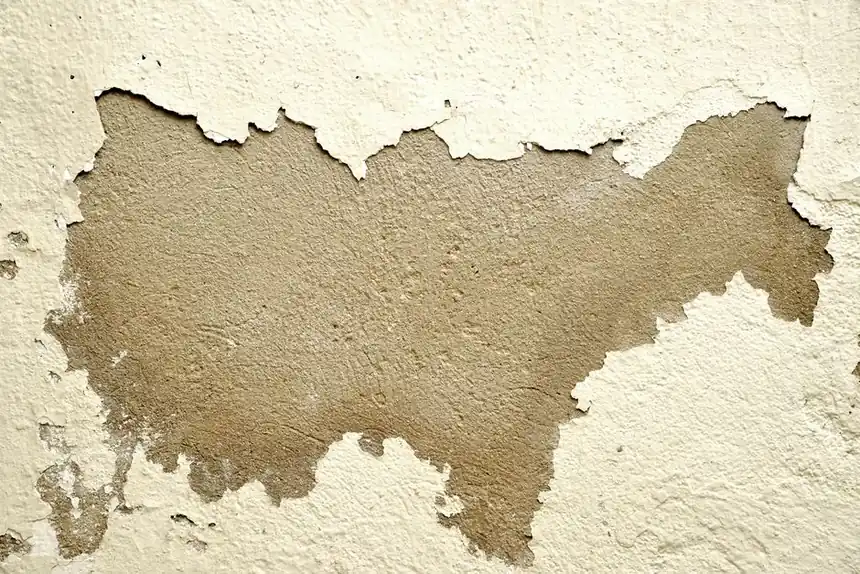
Structural drying is a critical process that occurs after a water damage incident. It involves the removal of moisture from building materials to prevent further damage and mold growth. In New Bern, where water damage can stem from heavy rains or flooding, understanding how to handle this process effectively is essential.
This article will explore the importance of structural drying, the steps involved, common mistakes to avoid, and when to call a professional for assistance.
What is structural drying?
Structural drying is the process of removing excess moisture from a building's structure, including walls, floors, and ceilings. This is necessary after incidents like flooding, burst pipes, or heavy rain, which can saturate materials and lead to significant damage if not addressed promptly.
Why is structural drying important?
Effective structural drying is crucial for several reasons:
- Prevents mold growth: Mold can begin to develop within 24 to 48 hours after water exposure.
- Protects building integrity: Prolonged moisture can weaken structural components, leading to costly repairs.
- Improves air quality: Removing moisture helps prevent the growth of mold and mildew, ensuring a healthier indoor environment.
In New Bern, where humidity can exacerbate these issues, timely structural drying is essential to maintaining your property's safety and value.
Steps for effective structural drying
Handling structural drying involves several key steps:
- Assess the damage: Identify the source of water and the extent of the damage. This includes checking for hidden moisture in walls and floors.
- Remove standing water: Use pumps or wet vacuums to eliminate any standing water. This is often the first step in 24/7 emergency water removal.
- Ventilate the area: Open windows and doors to promote air circulation. If possible, use fans to enhance airflow.
- Use dehumidifiers: Place dehumidifiers in affected areas to extract moisture from the air and building materials.
- Monitor moisture levels: Regularly check moisture levels with a moisture meter to ensure everything is drying properly.
- Consider professional help: If the damage is extensive, contact a professional service for structural drying & dehumidification.
These steps can help mitigate damage and speed up the drying process, especially in a humid environment like New Bern.
Common mistakes during structural drying
Many homeowners make mistakes during the structural drying process that can lead to further issues:
- Not addressing the source: Failing to fix the water source can lead to repeated problems.
- Rushing the process: Drying too quickly can cause materials to crack or warp.
- Neglecting hidden areas: Mold can grow in hidden spaces, such as behind walls or under flooring.
Being aware of these pitfalls can help you manage the drying process more effectively.
When to call a professional
If you encounter significant water damage, such as from a flood or burst pipe, it is wise to call a professional. Storm Harbor Restoration offers expert services in Emergency Water Damage Restoration and can help with structural drying to ensure your property is safe and dry.
Frequently Asked Questions
1. How long does structural drying take? Structural drying can take anywhere from 3 to 7 days, depending on the extent of the damage and environmental conditions.
2. What equipment is used for structural drying? Professionals typically use air movers, dehumidifiers, and moisture meters to facilitate the drying process.
3. Can I dry my home without professional help? While minor water damage can be handled by homeowners, extensive damage usually requires professional intervention for effective results.
4. What are the signs I need structural drying? Signs include visible water damage, a musty odor, and increased humidity levels in your home.
5. Is structural drying covered by insurance? Many homeowners' insurance policies cover structural drying, but it's essential to check your specific policy for details.